What Clean, X-Free and HEMA-Free Mean on a Nail Polish Label
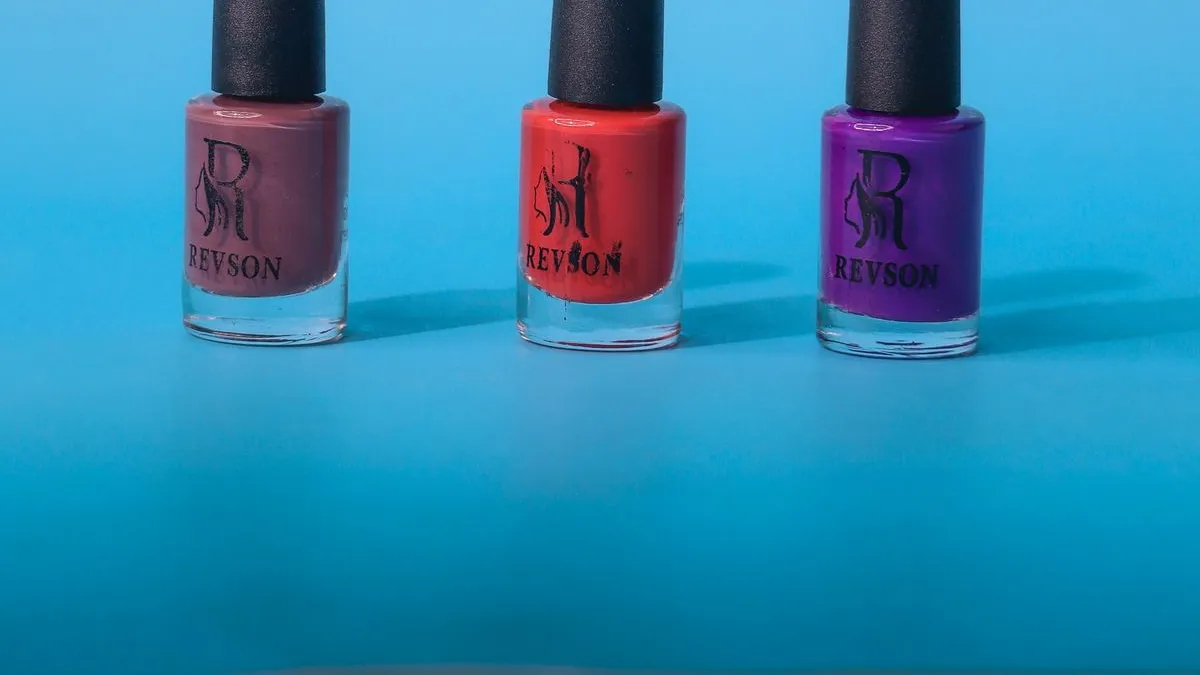
Clean. 10-free. HEMA free. Breathable. Nail polish labels have never made more claims, and most of them have no single legal definition. Here is what each one actually means, so you can read a bottle instead of trusting the front label.
X-free is marketing, not a standard
You will see everything from 5-free to 16-free and 21-free. Each number is a count of ingredients the brand chose to leave out, and there is no single legal list behind it. 5-free usually means without formaldehyde, toluene, DBP, formaldehyde resin and camphor, but one brand’s 16-free is not the same list as another. The number is a signal of intent, not a certification. Read the actual exclusions if it matters to you.
HEMA free: from niche to expected
HEMA is a monomer that helps gel stick to the nail, but it is one of the fastest growing contact allergens in nail work. In 2026, HEMA free has shifted from a niche feature to a basic expectation in premium gel. The industry says serious HEMA free formulas now perform about as well as conventional ones, though those claims come from the brands themselves, so take the performance promises with a grain of salt.
The big one: the EU TPO ban
Since September 2025, the EU has banned TPO, a common photoinitiator in lamp cured gels, after it was classified as a reproductive toxicant. Keep it in proportion. TPO was flagged as a reproductive concern, not a carcinogen, and the ban only affects gels that contain it, not all polish. There is no sell through period, and the UK follows in September 2026. The knock on effect is global, with brands reformulating rather than keeping two versions.
Breathable and water based
Two more label terms. Breathable polish claims to let air and water through the film, which is popular for religious and skin reasons. Water based polish swaps some solvents for water for a lower odor, easier to remove formula. Both are real categories, both are formulas rather than trends, and neither has a strict legal definition either.
How to read a bottle in ten seconds
- 1Ignore the big front claim first. Turn the bottle over.
- 2Check the actual ingredient list, or the brand’s stated exclusions, not just the number.
- 3If you react to gels, look specifically for HEMA free, and in the EU, TPO free by default now.
- 4Remember that clean and non toxic are marketing words with no fixed meaning. The ingredient list is the truth.
Why record what is in your bottles
If a shade you love gets reformulated, which is very likely in 2026, the new version can behave differently. Noting the formula and the brand in your collection means you can tell the old bottle from the new one later. Our guide on whether polish expires covers the other half of bottle upkeep, and the 2026 trends overview explains why formulas are shifting now.
Further reading: why TPO was banned (Manucurist) and is a gel manicure safe (MD Anderson).